 By
By The skill of successfully blending comedy with drama has always been a difficult one to master. As an audience we love to be entertained, and even though we find comfort with films that make us laugh out loud, we just can’t resist those that do it in a style that still manage to keep us on edge.
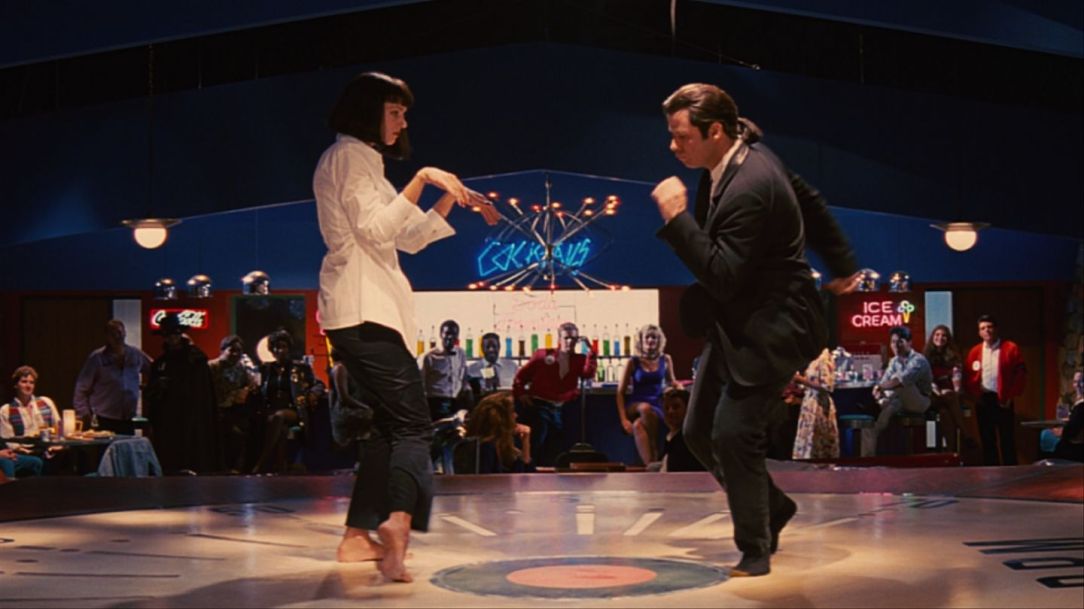
There is nobody whose style is more synonymous with this than Quentin Tarantino. His witty, violence-laden, and often taboo comedies are heavily influenced by the grittiness of everything from hard-boiled detective novels to spaghetti westerns. The most prominent example of Tarantino’s approach to filmmaking lies with Pulp Fiction, where several interconnecting stories in the underbelly of Los Angeles come together to create a masterpiece in storytelling.
The tales of philosophical hitmen Jules Winnfield (Samuel L. Jackson) and Vincent Vega (John Travolta), out-of-luck boxer Butch Coolidge (Bruce Willis), mob boss’ wife Mia Wallace (Uma Thurman) and a pair of armed robbers (Tim Roth and Amanda Plummer) are woven together seamlessly by a tight script and smart dialogue.
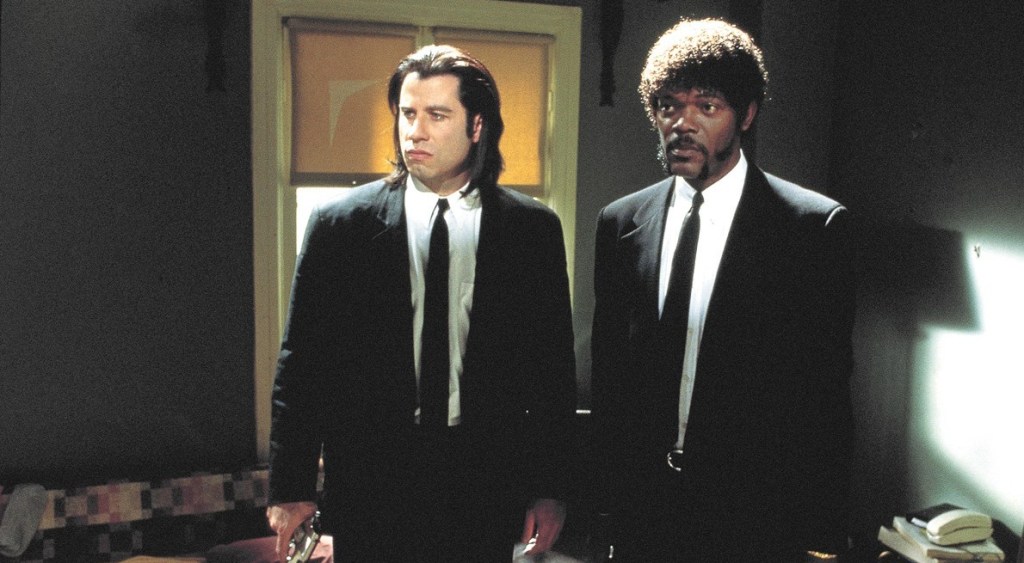
Tarantino’s clever direction, as well as some fantastic acting performances, led Pulp Fiction to 7 Academy Award nominations and a critical consensus regarding it as one of the greatest films of all time – spawning countless future releases that have taken inspiration, in one form or another, from his neo-noir classic.
We’ve limited our list not to include any other films directed by Tarantino himself, but here are 10 more brilliant dark comedies to check out once you’ve finally recovered from the exhilarating adventure you’ve been on with Pulp Fiction.
10) American Psycho
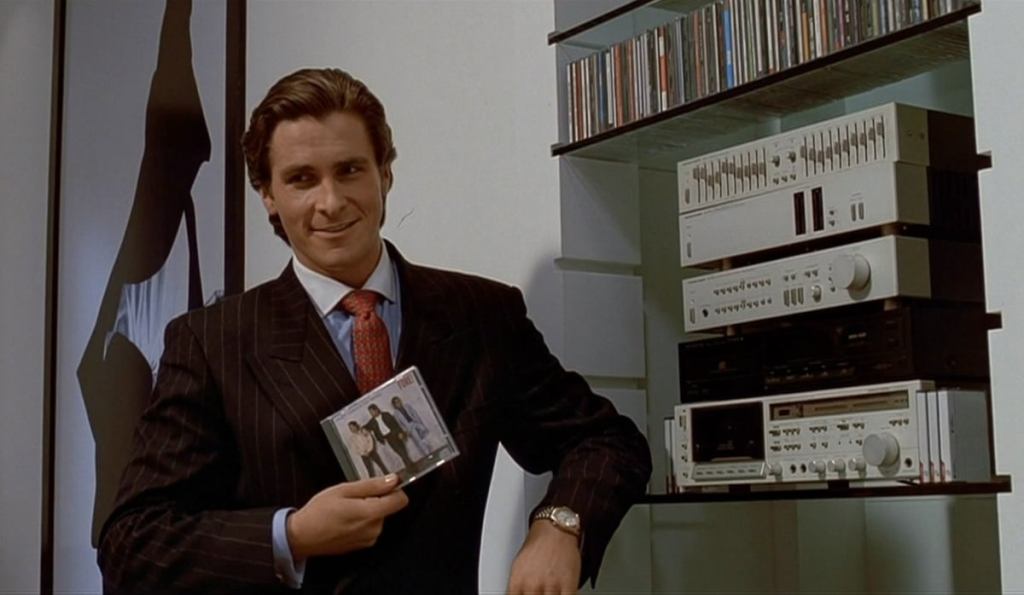
Kicking off our list we have American Psycho, a film which trades out mobsters for murderers, but still falls smoothly into our dark comedy categorisation. Based on Bret Easton Ellis’ 1991 novel of the same name, the film follows Patrick Bateman (Christian Bale), a Manhattan investment banker with serial killer indulgences.
An excellent example of satire, American Psycho treats us with a glimpse into the world of Wall Street with characters competing over dinner reservations and the embossing of their business cards. Bateman hides his psychopathic alter ego from his friends, leading a second life at night as a serial killer prowling the streets and listening to Huey Lewis and the News.
Christian Bale shines as the titular ‘American Psycho’, and the film has gone on to become a cult classic amongst horror and comedy fans alike. The role also helped to propel Bale into an even greater level of stardom, not a bad result considering that all of this stemmed from a book that was once deemed too controversial to publish.
9) The Nice Guys

In The Nice Guys, a private eye (Ryan Gosling) and a hired enforcer (Russell Crowe) team up in 1970s Los Angeles to investigate the disappearance of a missing girl. Although it’s an often overused plot trope, the film makes it work with a few well-placed twists and a tightly written script from Shane Black of Iron Man 3 and Kiss Kiss Bang Bang fame.
The chemistry between Gosling and Crowe’s characters is a particular highlight here, as is as the film’s soundtrack which is well endowed with a selection of some of the era’s finest tunes.
A particular recommendation to any fan of the buddy cop genre, The Nice Guys does exceptionally well at bringing the 1970s’ version of Los Angeles to life – the same city in which Pulp Fiction is set 20 years later.
8) The Gentlemen
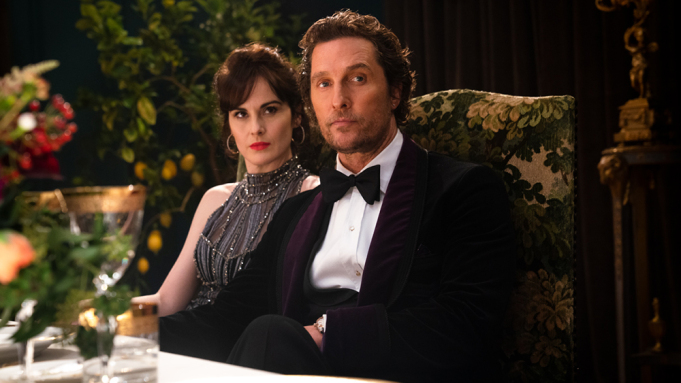
The most recent release on this list, Guy Ritchie’s The Gentlemen may have only been released just over a year ago but it has already created a lasting impact. The film follows marijuana entrepreneur Michael Pearson (Matthew McConaughey) and a whole host of other characters who are trying to take over his impressive empire.
The film is a whole lot of fun. It doesn’t take itself too seriously and, although similar in a lot of ways to Ritchie’s previous efforts in terms of dialogue and tone (see Snatch and Lock, Stock and Two Smoking Barrels), it offers a fresher perspective coming from a man who has already made it at the top rather than characters trying to work their way upwards on the criminal ladder.
Matthew McConaughey is particularly impressive in the lead role, but the supporting cast also bring some excellent performances to the table – with major star power coming from the likes of Colin Farrell and a surprising, out-of-character portrayal from Hugh Grant.
7) Layer Cake

Layer Cake is the film which caused James Bond producers to take notice of Daniel Craig as the frontrunner for the role, and it’s not hard to see why. The film has all the stylings of a Bond thriller: slick, witty and elegant throughout. Yet it still manages to be gritty and grimy at the same time – almost a combination of Pulp Fiction and Casino Royale.
Daniel Craig plays an unnamed cocaine dealer trying to get himself out of the business, operating with a level of intelligence and sophistication rarely seen in similarly themed films. His associates include characters played by the likes of Colm Meaney and Tom Hardy, but it’s the menacing Eddie Temple (Michael Gambon) that he really needs to watch out for.
Like Pulp Fiction, the film features drug-fuelled motives, an eclectic cast of characters and an excellent accompanying soundtrack – continuing on with the trend of British gangster cult classics like Snatch (which was produced by Layer Cake‘s director Matthew Vaughn – who would later go on to direct Kick-Ass and Kingsman: The Secret Service).
6) Lucky Number Slevin
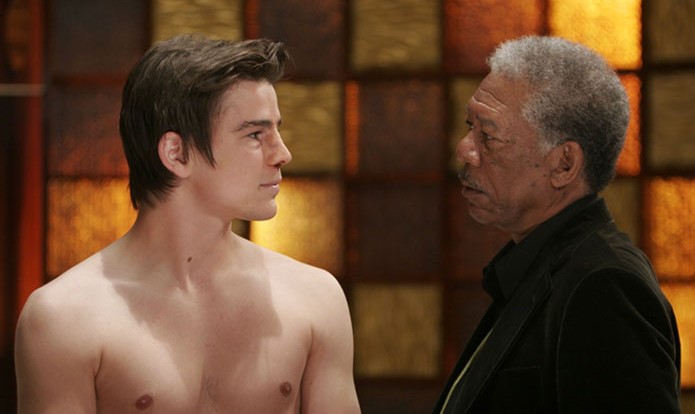
Lucky Number Slevin is perhaps the film on this list which is most heavily inspired by Pulp Fiction’s style. Featuring hitmen, crime bosses, witty script and stellar soundtrack, the film falls short with its slightly convoluted plot and not making the most of its excellent extended cast of characters.
With the likes of Ben Kingsley, Morgan Freeman, Stanley Tucci, Lucy Liu and Bruce Willis all in supporting roles, Slevin is well worth the watch still – and you’re bound to see the similarities between the two films as your viewing experience goes on.
It’s the age-old dilemma of mistaken identity which sends Slevin Kelevra (Josh Hartnett) right into the middle of a feud between two rival crime lords (Morgan Freeman and Ben Kingsley) as he tries to play them against each other for his own benefit. Definitely one to watch if you’re a fan of Pulp, even if it does try a little too hard to be clever.
5) The Big Lebowski
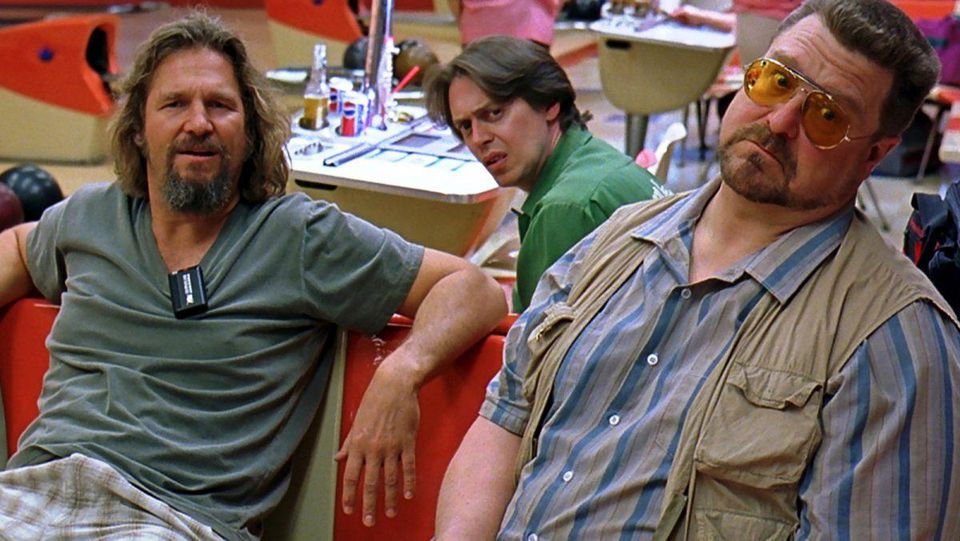
If there are any directors that come close to matching Tarantino’s consistency in the black comedy genre, then it’s The Coen Brothers. As well as The Big Lebowski, they’ve also gifted us with Fargo, Burn After Reading, Barton Fink and many more.
It’s The Big Lebowski which makes our list this time, with another classic case of mistaken identity sending Jeffrey ‘The Dude’ Lebowski down a rabbit hole of mystery and intrigue as he seeks compensation for two criminals who urinated on his favourite rug.
The film boasts an excellent cast, featuring the likes of Jeff Bridges, John Goodman, Steve Buscemi, Julianne Moore, John Turturro and Philip Seymour Hoffman amongst others. Possibly the purest ‘comedy’ in the sense of the word on this list, The Big Lebowski is guaranteed to leave you laughing just about as much as a film about a kidnapping really can.
4) Lock, Stock and Two Smoking Barrels
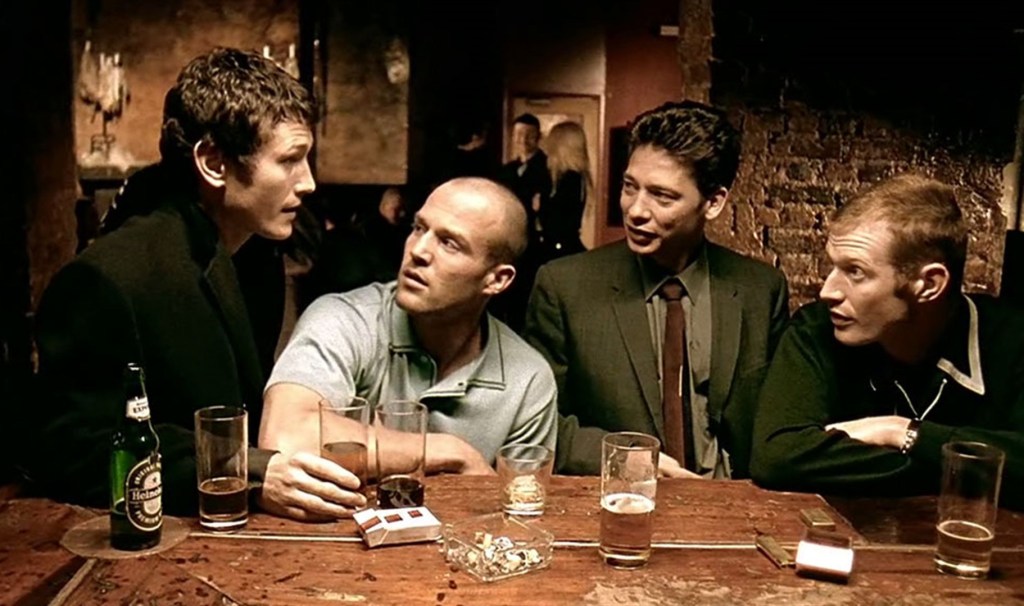
Lock, Stock and Two Smoking Barrels is the film which started the resurgence of the British gangster flick and brought it back to the attention of the popular mainstream, launching the careers of director Guy Ritchie and actor Jason Statham.
The film follows four friends needing to somehow raise £500,000 worth of funds after one of them loses big in a poker game against a notorious London gangster. Featuring an array of wacky characters including weed farmers, debt collectors and a pair of hapless robbers, Radio Times critic John Ferguson called the film “the best British crime movie since The Long Good Friday (1980)”.
Similar to Pulp Fiction, the film features interconnecting stories, fast-paced and often tense action scenes and a brilliantly written script – an area which Guy Ritchie would continue to impress with in future releases Snatch (2000), RocknRolla (2008) and the previously featured The Gentlemen (2019).
3) Kiss Kiss Bang Bang
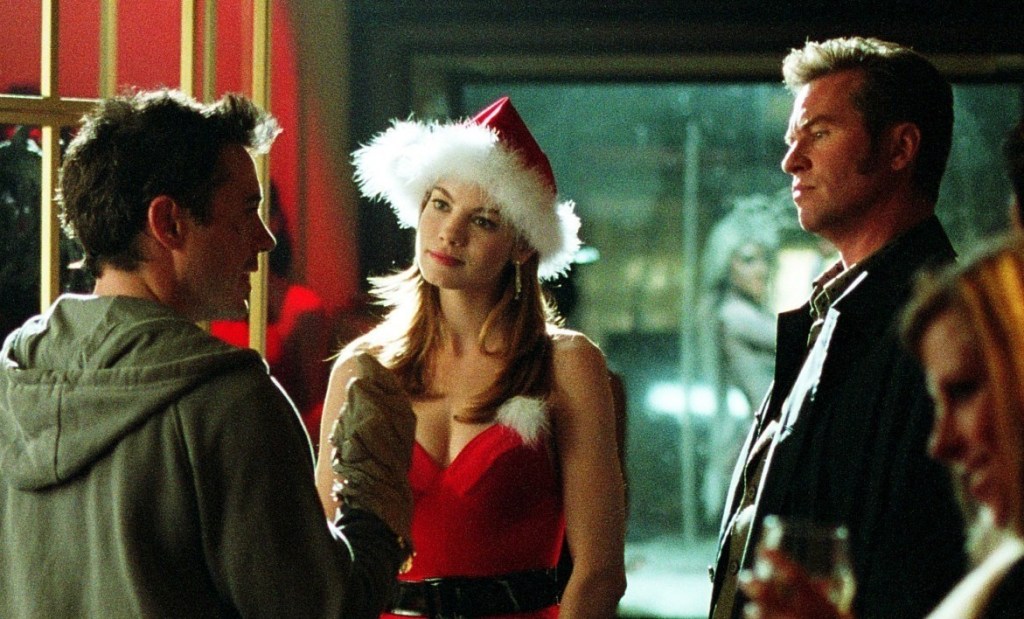
In Kiss Kiss Bang Bang, Robert Downey Jr. plays Harry Lockhart, a thief masquerading as an actor who discovers a body and ends up roping in an actress (Michelle Monaghan) and private eye (Val Kilmer) into his stint at pretending to play detective. Downey Jr. shines particularly thanks to Shane Black’s script and a clever murder-mystery plot which keeps you guessing at every turn.
As well as having a catchy title, Kiss Kiss Bang Bang has the same buddy cop vibe to it as is familiar with fans of the Lethal Weapon series of films (also written by Black) and Downey Jr’s character’s know-it-all persona comes across later on in his career in his role as Tony Stark in the Iron Man franchise.
In terms of similarities to Pulp Fiction, the film is instantly quotable with lots of intelligent dialogue and quips – particularly from Val Kilmer – and has a refreshing balance between serious action sequences and characters getting themselves out of difficult situations in an ‘unusual’ fashion.
2) In Bruges

Martin McDonagh brings a finely crafted film to the table with his directorial debut, following two Irish hitmen on the run after a job goes horribly wrong. In Bruges takes all the niceties of the quaint Belgian city and replaces it with violence, bad manners and a whole lot of swearing.
Things go from bad to worse for the hitmen as their boss decides to pay them a visit to straighten things out after their mistake. Along the way, they encounter a whole variety of wacky characters and get themselves into the kind of unexpected situations that certainly don’t happen on your usual European city break.
Colin Farrell and Brendan Gleeson are both brilliant in their roles as hitmen Ray and Ken, but it’s the Ralph Fiennes’ excellent portrayal of the villainous mob boss Harry which really steals the show. These wonderful acting performances, as well as the hilarious dialogue and beautiful scenery, are what successfully make In Bruges stand out above the rest.
1) True Romance

It will come as no surprise that True Romance has a lot of things in common with Pulp Fiction, considering that the film was written by Quentin Tarantino himself. The film combines comedy and romance with violence, drama and of course plenty of bloodshed – a staple of any Tarantino flick. Whilst not directing the film himself (Tony Scott was in the chair for this one), True Romance still packs a punch and is full of energy – helped by its fantastic cast.
The film follows Clarence (Christian Slater) and Alabama (Patricia Arquette), who fall in love after their first meeting and end up getting into some sticky situations with the mob. There’s superb supporting performances from Gary Oldman, Christopher Walken and James Gandolfini sprinkled throughout the adventure, and plenty of action to keep you entertained.
The wide-ranging cast of characters and supporting roles rival even those in Pulp Fiction and Tarantino has a worthy accompanying piece for his later work here, drawing inspiration from True Romance for Pulp, which was released the following year in 1994.
So that’s the end of our list and it’s easy to say that watching all ten of these films will certainly have you well-versed in the world of the Tarantino-esque dark comedy. Fitting them all in back-to-back is bound to see you cracking some classic witty one-liners in no time.
Written by Josh Glover.



 Recommend Me A Film