 By
By Reaching back to the earliest days of cinema, the film industry has loved a twist ending. From mystery-solving detectives to paranormal psychodramas, we just can’t help being on the edge of our seat at the prospect of another unexpected turn of events – and as we keep coming back for more and more shocks, Hollywood continues to thrive on the element of surprise.
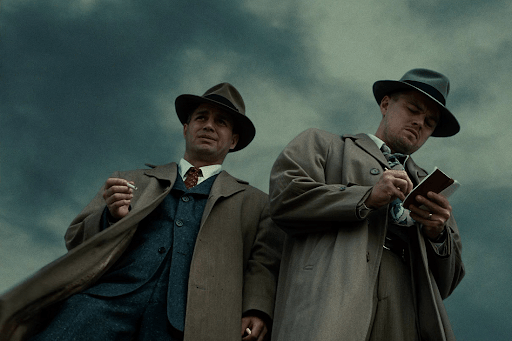
Martin Scorsese’s 2010 thriller Shutter Island is no exception. Based on Dennis Lehane’s novel, the Leonardo DiCaprio mystery sees two U.S. Marshals travel to the rain-soaked Ashecliffe Hospital for the Criminally Insane, to investigate the disappearance of a missing patient.
While Teddy Daniels (DiCaprio) and his partner Chuck Aule (Mark Ruffalo) delve deeper into the secrets being covered up on Shutter Island – and Daniels continues to be haunted by his past demons – the paranoia kicks in as not everything on the island is quite as it seems.
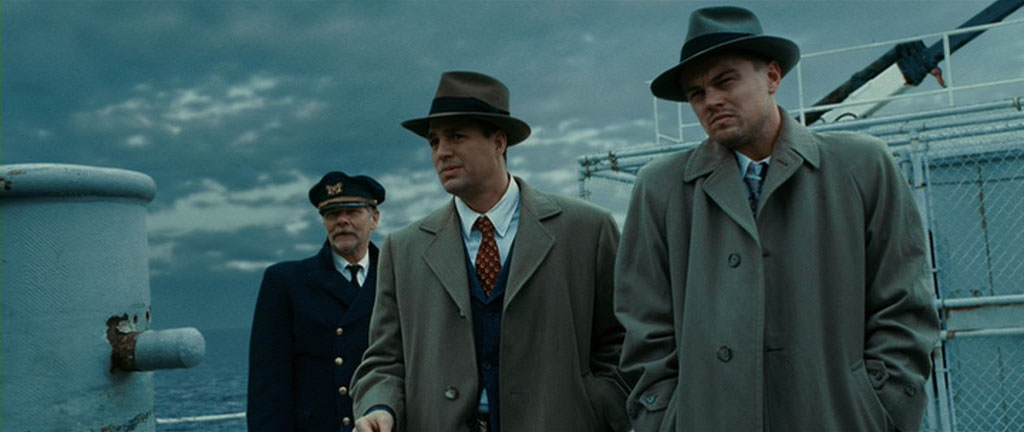
The action culminates in one of the best twist endings in recent memory, but it’s not the only curveball that’s had moviegoers theorising long after the credits have rolled.
Here are 10 more twisted psychological thrillers to try after finally getting your head wrapped around Shutter Island.
10) Primal Fear
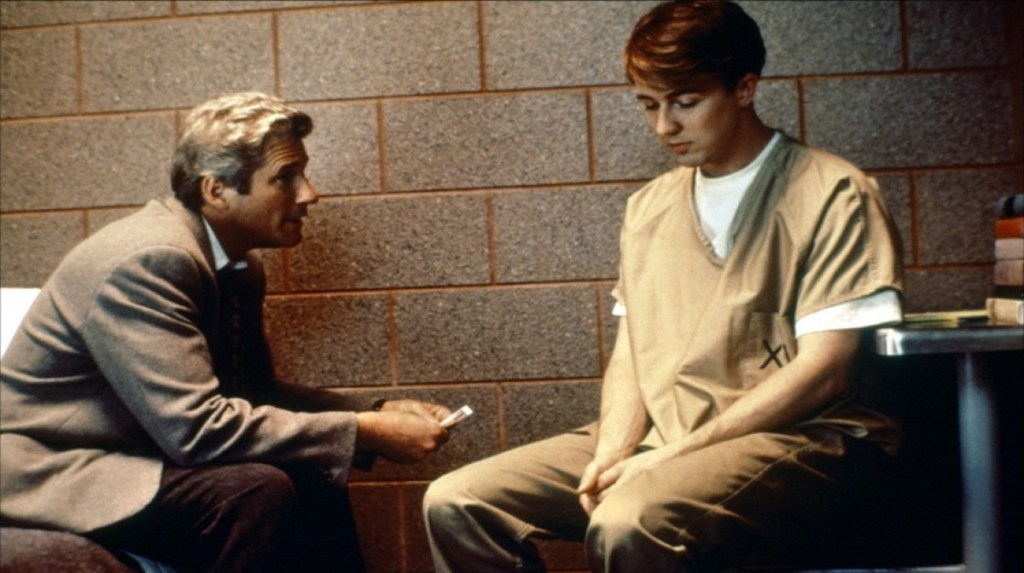
Featuring a breakout starring role for actor Edward Norton, Primal Fear is a tense legal thriller in which attorney Martin Vail (Richard Gere) defends an altar boy accused of murdering an influential archbishop.
Norton puts in an extraordinary performance as altar boy Aaron Stampler – which saw him nominated for the Academy Award for Best Supporting Actor – and it’s in this convincing portrayal where the best parts of the film lie.
While not your traditional mystery-thriller, going down more in the direction of a courtroom drama in some parts, Primal Fear still leaves the viewer guessing until the very end with a cleverly well-executed twist finale.
9) 10 Cloverfield Lane

Although set in the same universe as its namesake Cloverfield (2008), this claustrophobic thriller bears little resemblance to its predecessor.
After a traffic accident, Michelle (Mary Elizabeth Winstead) wakes up to find herself trapped in an underground bunker owned by Howard (John Goodman) – who has told her that the world outside has become inhospitable after an attack. With the help of fellow bunker-dweller Emmett (John Gallagher, Jr.), she begins to plan an escape attempt after details of Howard’s suspicious family history are revealed.
There are plenty of fun moments coupled with the more intense sequences, and – other than a brief plot synopsis – 10 Cloverfield Lane is one of those films that it’s better going into knowing as little as possible about. Just know that there’ll be shocks in store for you!
8) Rear Window
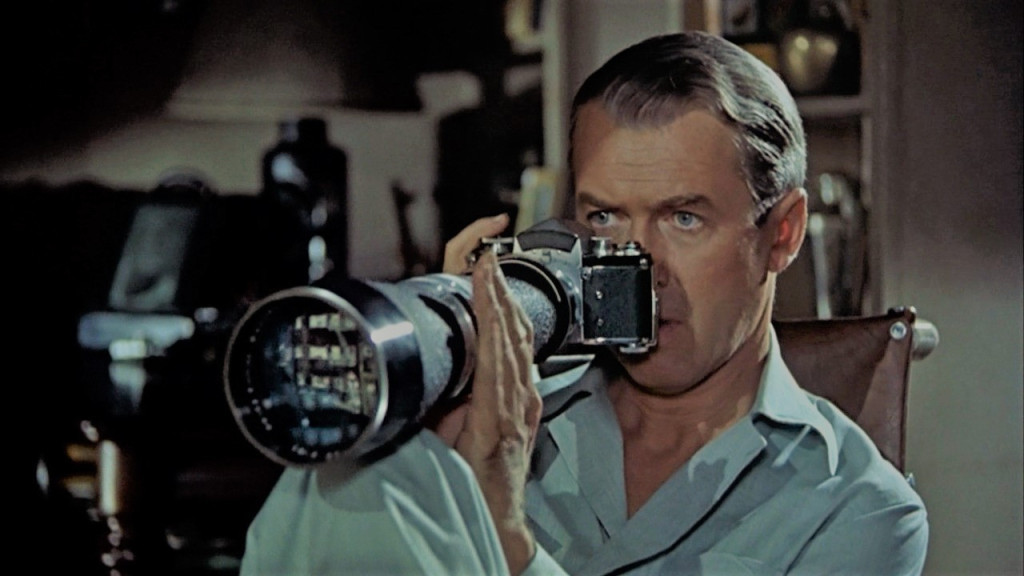
Alfred Hitchcock’s classic paranoia thriller has inspired countless films in the years since its release – yet still holds up today through its clever use of tension-building, suspicious character motives and cinematography.
In Rear Window, James Stewart plays photographer L.B. Jeffries, spending his time recovering from a broken leg during a heatwave by spying on his neighbours. After discovering something sinister one day, he enlists the help of his girlfriend Lisa (Grace Kelly) and police detective friend (Wendell Corey) to investigate the mysterious activities across the courtyard.
The film’s premise of the morbid curiosity of peering on your neighbours still rings true today, and the entrapment of Jeffries being stuck in his wheelchair helps to further develop the suspense and claustrophobia – a particularly poignant theme in the current lockdown state we’re living in.
7) Black Swan

Darren Aronofsky’s Black Swan is a cautionary tale on the fickle nature of fame, combining elements of the struggle for success with the supernatural – set around a New York Ballet production of Swan Lake.
Natalie Portman plays Nina, a ballerina who has a desire for perfection and strives for stardom. She’ll do anything to reach her goal – especially as she begins to feel the pressure from a new rival (Mila Kunis) and events around her begin to take a darker turn.
The film chronicles Nina’s descent into madness as she begins to question which parts of what she sees around her are reality and which parts are just her imagination. Portman won the Academy Award for Best Actress for her portrayal of Nina – and the film also picked up four other nominations including Best Picture.
6) The Game

The Game was director David Fincher’s first movie following the release of the hugely successful Se7en (1995). While not as dark as his previous effort, The Game still has its sinister moments, as delusions of paranoia overwhelm wealthy investment banker Nicholas Van Orton (Michael Douglas).
After being gifted a mysterious game as a birthday present from his brother (Sean Penn), Van Orton’s life seems to unravel around him in ways that are bound to keep the viewer suspicious until the very end. Nicholas is taken from his comfortable life of luxury and plunged into danger and jeopardy that he’s never been used to before.
With its unique plot and unpredictability – The Game stands out amongst its counterparts and reaches its peak with a climax that you won’t see coming.
5) The Machinist
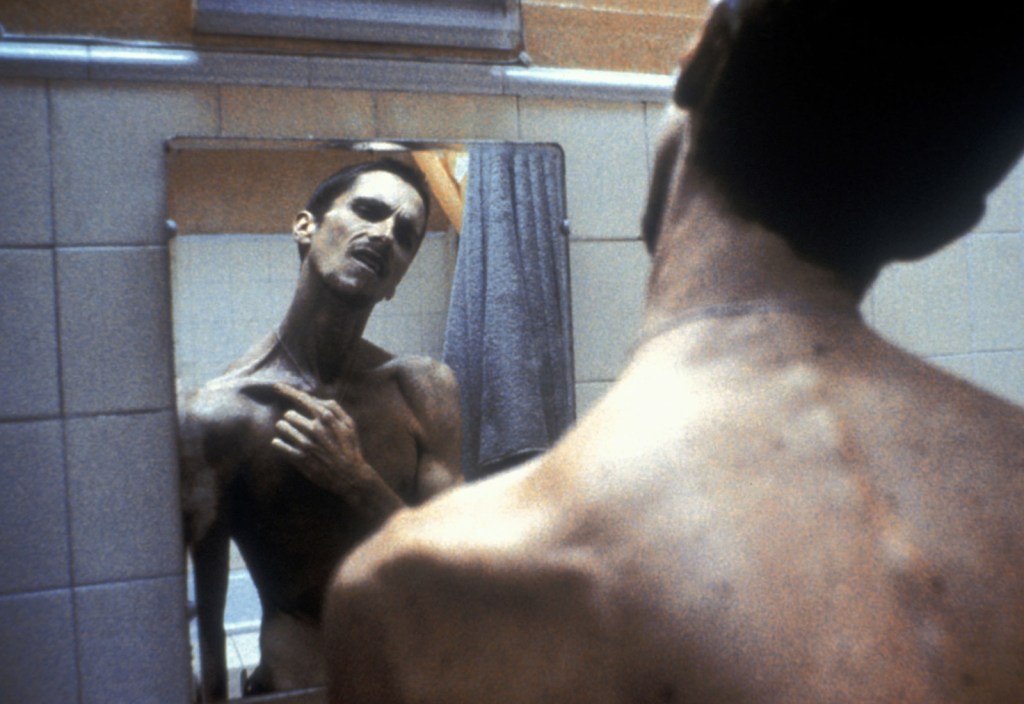
Christian Bale completely transformed himself for his leading role in The Machinist, losing more than 60 pounds in order to play insomniac Trevor Reznik. Critics rightfully lauded Bale’s performance – as Reznik’s senses of guilt, paranoia and delusion become heightened after a workplace accident cause him to be fired from his job.
Similar to Shutter Island, the film features a character searching for clues while questioning his own sanity – with both Bale and DiCaprio being two of the finest actors of their generation, especially in this kind of genre and role.
The Machinist is a dark and disturbing psychological thriller that’s well worth checking out – if not just for for seeing the extent Christian Bale was willing to go to just to make the film even more memorable.
4) Rosemary’s Baby

Rosemary’s Baby takes the paranoia of not being able to trust those around you shown in Shutter Island and brings it to a whole new level. Based on Ira Levin’s novel, the film follows Rosemary Woodhouse (Mia Farrow) and her husband Guy (John Cassavetes) as they move into a new apartment building with a sinister past.
They become friends with their neighbours – Minnie and Roman Castevet – who take a particular interest in the couple as things around them begin to suspiciously fall in their favour. As Rosemary becomes pregnant, the world around her becomes a lot more macabre as the sense of panic looms around every corner.
The film is one of the best examples of early psychological horror, exploring the themes of witchcraft and Satanism better than any of its predecessors. Farrow and Cassavetes are both excellent in their roles, as well as Ruth Gordon and Sidney Blackmer supporting as the creepy Castevets – earning Gordon the Academy Award for Best Supporting Actress.
3) Memento

Christopher Nolan’s Memento grabs the tradition of films being set in chronological order and throws it completely out of the window. With its unique plot structure and editing techniques, the film follows Leonard (Guy Pearce), a man who is not able to process new memories after an accident.
Leonard takes pictures and tattoos notes on his body to attempt to combat the memory loss, but struggles to find people that he can trust as he tries to track down his wife’s killer. Suspicious of everyone around him including his apparent friend Teddy (Joe Pantoliano in a standout role), Leonard’s condition makes him easily influenced as his quest for vengeance goes down a dangerous road in this neo-noir classic.
As the film that began to propel director Christopher Nolan into pre-Batman Hollywood stardom, Memento is a welcome addition to the psychological thriller genre. Just make sure you’re paying close attention…
2) Get Out
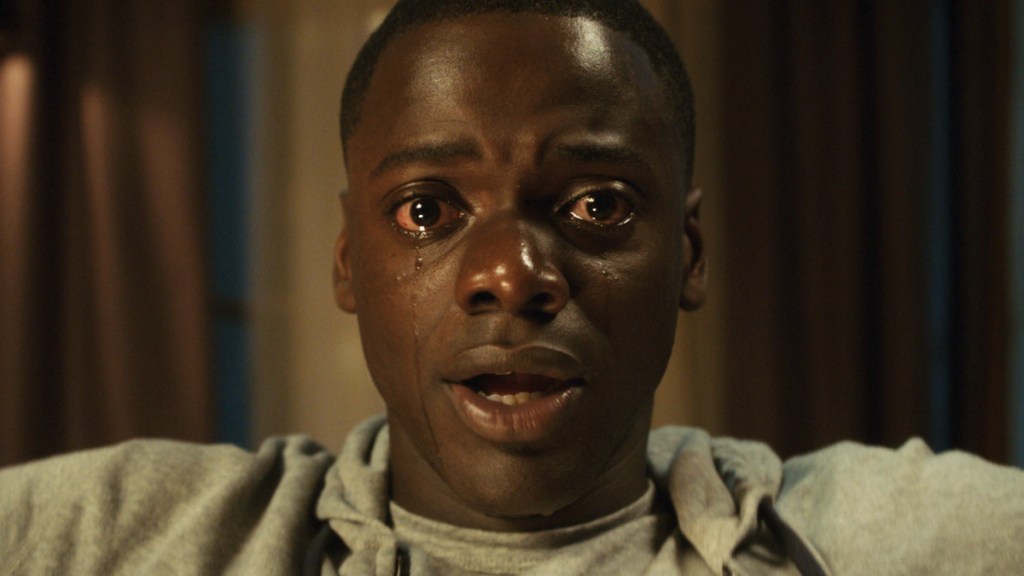
With his directorial debut, Jordan Peele takes ideas about the deep-rooted institutionalised racism in America and places them in a satirical horror film. Just like Shutter Island, Get Out follows a character questioning everything around him in mysterious new surroundings, with seemingly nobody on his side.
On his first visit to his white girlfriend’s parents’ house, Chris (Daniel Kaluuya) makes some deeply disturbing discoveries as an annual family get-together sees a large number of wealthy white people take an unusual admiration to him. Topics of family trauma, addiction and hypnotherapy help to make this so much more than just a simple thriller – with twists and turns around every corner.
Kaluuya plays the lead character Chris brilliantly, but it’s the creepiness of the supporting characters and the film’s clever, darkly comic writing that make it stand out above the rest as one of the best – and most important – films of the last few years.
1) The Sixth Sense

Director M. Night Shyamalan really managed to give The Sixth Sense the twist ending to end all twist endings. It’s been the subject of plenty of parodies since its release in 1999, but if you’ve managed to get this far in life without having it spoiled for you, then a huge set of congratulations are in order.
Even if you’re aware of the supernatural shock which Shyamalan thrusts upon you, the way the film reaches that point by steadily building up the suspense with clever hints and throwaways means the haunting thriller is still a worthwhile treat as a masterpiece of the subdued horror genre.
With its eerie atmosphere and mysterious secrets, the story of child psychologist Dr. Malcolm Crowe (Bruce Willis) and young Cole Sear (Haley Joel Osment) has some genuinely creepy moments – and deservedly takes top spot to watch right after you’ve finally gotten over Shutter Island. Now that’s a back-to-back viewing that’s bound to leave you awake at night.
Written by Josh Glover.


 Recommend Me A Film